


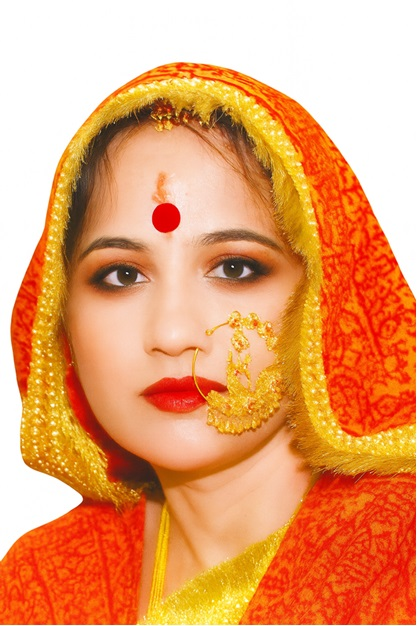
Marriage in India has never been just a union of two individuals; it is a sacred bond between two families, two traditions, and two ways of life. In a culturally rich state like Uttarakhand, marriage carries even deeper significance. Communities such as Kumaoni, Garhwali, Jaunsari, and other Pahadi groups have preserved their customs, values, and social structures for generations. In this context, marriage within the community has long been preferred—and for many good reasons.
This blog explores why marrying within the community is still relevant, meaningful, and beneficial in Uttarakhand, even in today’s modern and globalized world.
1. Preservation of Culture and Traditions
Uttarakhand is known for its distinct cultural identity—from wedding rituals like Phichora, Golu Devta puja, Jagar, Pandav Nritya, to traditional attire, food, and customs. When marriage happens within the community, these traditions are naturally understood, respected, and continued.
A Kumaoni bride does not need to explain the significance of Phichora or Panch Devta puja to a Kumaoni groom’s family. Similarly, Garhwali rituals like Tilachar and Saut are already familiar. This shared understanding helps in keeping traditions alive rather than diluted.
Marriage within the community ensures that:
- Rituals are celebrated authentically
- Cultural practices are passed to the next generation
- Local languages like Garhwali and Kumaoni survive within families
2. Stronger Family Bonding and Social Harmony
In Uttarakhand, families are closely knit, and community relationships are deeply valued. When marriages take place within the same community, families often share:
- Similar social values
- Common festivals and religious beliefs
- Comparable lifestyle expectations
This results in fewer cultural misunderstandings and smoother adjustment for the bride and groom. Elders feel more confident because they understand the background, upbringing, and values of the other family.
In hill societies, where people depend heavily on social networks during festivals, farming, ceremonies, and emergencies, community harmony is crucial. Community marriages strengthen these networks.
3. Ease of Adjustment for the Bride and Groom
Marriage brings major life changes, especially for women. When the cultural environment is familiar, adjustment becomes easier. Food habits, language, clothing, daily routines, and social etiquette remain similar.
For example:
- A Garhwali bride moving into a Garhwali household already understands food preferences like Mandua roti, Jhangora, Gahat dal.
- She knows local festivals like Harela, Igas, Bhitauli and their importance.
This familiarity reduces emotional stress and helps build comfort and confidence in the new family.
4. Shared Values and Expectations About Marriage
Communities in Uttarakhand generally share similar views on marriage, such as:
- Importance of family involvement
- Respect for elders
- Balance between tradition and modern education
- Emphasis on long-term commitment rather than short-term compatibility
When values align, couples face fewer conflicts regarding roles, responsibilities, parenting styles, and family obligations.
Shared expectations also help in:
- Managing joint family living
- Respecting family traditions
- Handling social responsibilities together
5. Strengthening Community Identity in a Changing World
Migration from Uttarakhand to cities like Delhi, Mumbai, Bangalore, and abroad has increased significantly. While migration brings economic opportunities, it also threatens cultural continuity.
Marriage within the community helps preserve Pahadi identity even outside Uttarakhand. When two people from the same community marry, they often make conscious efforts to:
- Teach children their roots
- Celebrate traditional festivals
- Visit ancestral villages
- Maintain emotional connection with Uttarakhand
This ensures that future generations remain connected to their homeland and culture.
6. Better Compatibility Through Similar Upbringing
People from the same community often grow up with similar:
- Social norms
- Educational expectations
- Financial attitudes
- Lifestyle habits
This common upbringing contributes to better compatibility. Issues related to food, festivals, religious practices, and family roles are less likely to become major conflicts.
Compatibility built on shared culture is often deeper and more sustainable than compatibility based only on hobbies or interests.
7. Support System and Social Acceptance
Community marriages enjoy strong social support. Relatives, neighbors, and elders actively participate in weddings and married life. This support becomes crucial during:
- Childbirth
- Family crises
- Health issues
- Festivals and ceremonies
Social acceptance also reduces unnecessary criticism or pressure that couples sometimes face in intercultural marriages, especially in traditional settings.
8. Modern Choice with Traditional Wisdom
Choosing to marry within the community does not mean rejecting modern thinking. Today’s Uttarakhand youth are educated, independent, and globally exposed, yet many still prefer community-based marriages because they see value in cultural compatibility.
Modern community marriages now combine:
- Personal choice with family guidance
- Career aspirations with traditional values
- Love, respect, and shared heritage
Platforms like UttarakhandShadi.com help bridge tradition and technology by offering a trusted space where individuals can find partners from their own community while making informed, independent decisions.
Conclusion
Marriage within the community in Uttarakhand is not about restriction—it is about connection, continuity, and cultural pride. It strengthens family bonds, preserves heritage, ensures smoother adjustment, and provides emotional and social stability.
In a rapidly changing world, community-based marriages offer a strong foundation rooted in shared values and collective wisdom. For many families and individuals from Uttarakhand, marrying within the community is not just a preference—it is a meaningful way to honor their roots while building a secure and harmonious future.